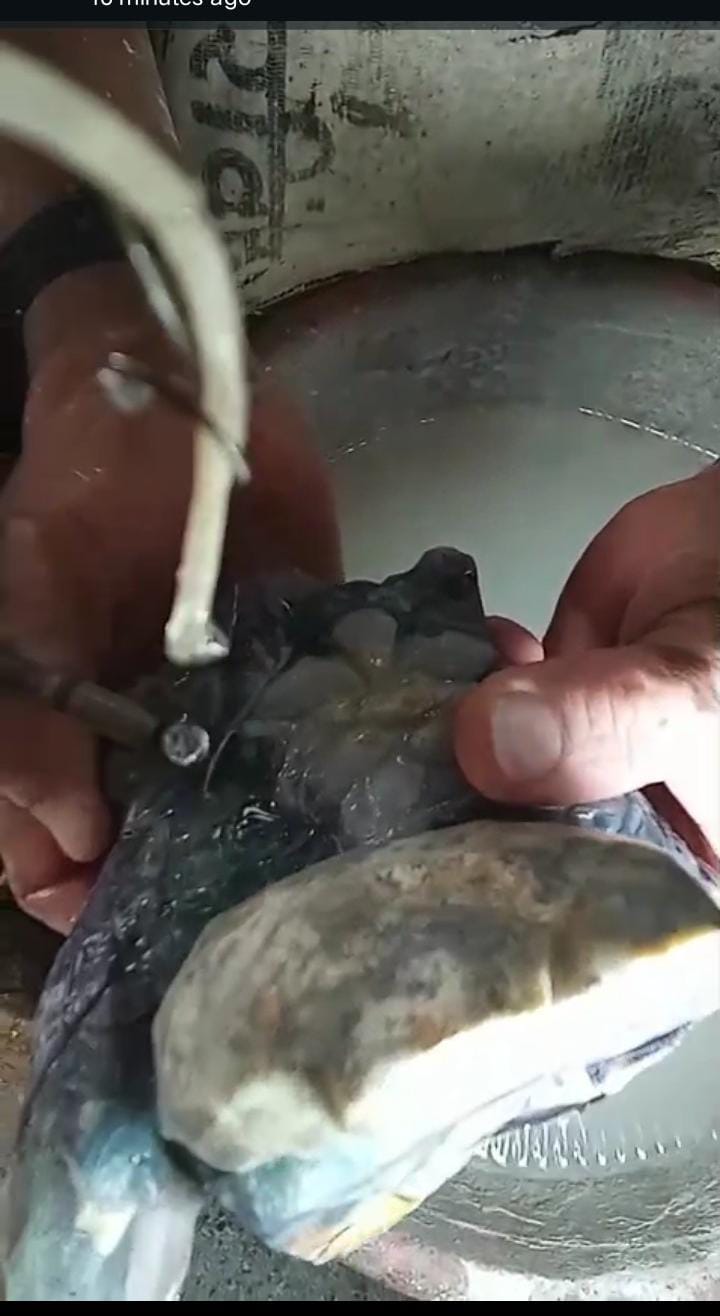
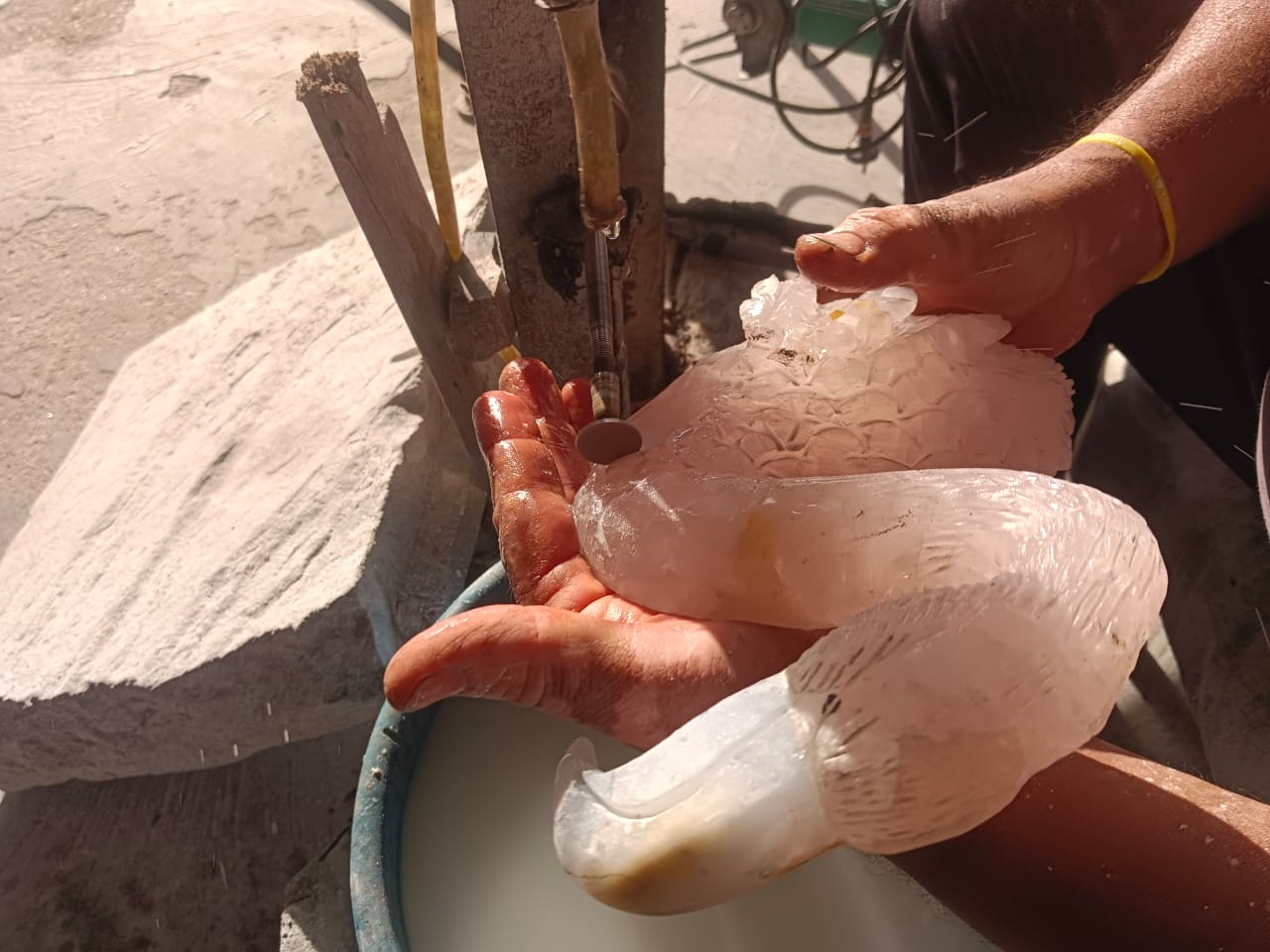
Imagine holding a gemstone that formed deep within the Earth millions of years ago. Long before it became a polished bracelet, a decorative carving, or a crystal on a meditation table, it was created by immense heat, pressure, and geological change. Every semi-precious stone carries a unique story shaped by nature.
Today, these beautiful minerals are appreciated for many reasons. Some people wear them simply because they love their colors and natural patterns. Others collect them as rare minerals, use them in handcrafted jewelry, decorate their homes with gemstone sculptures, or incorporate them into meditation and spiritual practices.
If you've ever wondered what semi-precious stones are, how they're different from precious gemstones, or which stone might suit your personal style or interests, this guide will walk you through everything you need to know.
What Are Semi-Precious Stones?
Semi-precious stones are naturally occurring minerals that are valued for their beauty, durability, color, and unique crystal structures. After being mined, they are cut, polished, and transformed into jewelry, sculptures, home décor, collectibles, and ornamental objects.
The term "semi-precious" has been used for centuries to distinguish these gemstones from the traditional "precious" gemstones:
Diamond
Ruby
Sapphire
Emerald
However, modern gemologists often consider this distinction outdated. Many so-called semi-precious stones—such as fine jade, opal, alexandrite, or rare tourmalines—can be just as valuable as traditional precious stones depending on their quality, rarity, origin, and craftsmanship.
Rather than focusing solely on the category, experts today evaluate gemstones based on factors such as color, clarity, cut, rarity, and overall appeal.
Why Are Semi-Precious Stones So Popular?
One reason semi-precious stones continue to attract people around the world is their incredible diversity. Unlike precious gemstones, which are limited to a handful of well-known varieties, semi-precious stones come in hundreds of colors, textures, and crystal formations.
Their popularity also comes from their versatility. They are commonly used in:
Fine jewelry
Handmade bracelets and necklaces
Luxury home décor
Gemstone carvings
Meditation spaces
Interior design
Crystal collections
Meaningful gifts
Artistic sculptures
Many cultures also associate certain gemstones with traditional symbolism such as love, courage, prosperity, or protection. While these associations are rooted in history and spiritual traditions rather than scientific evidence, they continue to influence how people choose and appreciate gemstones today.
A Complete List of Popular Semi-Precious Stones
| Stone | Color | Common Uses | Traditionally Associated With |
|---|---|---|---|
| Amethyst | Purple | Jewelry, meditation, décor | Calmness, wisdom, spiritual growth |
| Rose Quartz | Pink | Gifts, jewelry, carvings | Love, compassion, emotional healing |
| Citrine | Yellow | Office décor, bracelets | Optimism, abundance, creativity |
| Lapis Lazuli | Deep Blue | Pendants, carvings | Truth, communication, wisdom |
| Tiger's Eye | Golden Brown | Bracelets, décor | Confidence, focus, courage |
| Green Aventurine | Green | Crystal bowls, jewelry | Luck, opportunity, prosperity |
| Black Tourmaline | Black | Home décor, meditation | Grounding, protection |
| Carnelian | Orange-Red | Jewelry | Motivation, creativity |
| Clear Quartz | Transparent | Meditation, décor | Clarity, intention |
| Pyrite | Metallic Gold | Decorative pieces | Prosperity, confidence |
| Sodalite | Blue & White | Study spaces | Logic, learning |
| Malachite | Green | Carvings | Transformation |
| Hematite | Metallic Gray | Bracelets | Stability, grounding |
| Moonstone | White | Jewelry | Intuition, new beginnings |
| Jade | Green | Sculptures, jewelry | Harmony, prosperity |
| Aquamarine | Blue | Rings, pendants | Courage, tranquility |
Precious vs Semi-Precious Stones: What's the Difference?
Historically, gemstones were divided into two groups based largely on rarity and perceived value.
| Precious Stones | Semi-Precious Stones |
|---|---|
| Diamond | Amethyst |
| Ruby | Citrine |
| Emerald | Jade |
| Sapphire | Tiger's Eye |
| Generally rarer | Available in many varieties |
| Common in luxury fine jewelry | Used in jewelry, décor, carvings, collectibles |
Today, the distinction is less important. A high-quality jade carving or rare tourmaline can be worth far more than a lower-grade ruby.
Traditional Meanings of Popular Stones
It's important to note that the meanings below come from cultural traditions, folklore, and spiritual practices. They are not scientifically proven health benefits.
Amethyst
Traditionally associated with peace, mindfulness, and inner clarity.
Rose Quartz
Often called the "stone of love" because it symbolizes compassion, kindness, and emotional warmth.
Citrine
Commonly linked to optimism, creativity, and abundance.
Pyrite
Frequently associated with confidence, motivation, and prosperity.
Tiger's Eye
Traditionally symbolizes courage, determination, and focus.
Black Tourmaline
Widely used in spiritual traditions as a grounding and protective stone.
How Are Semi-Precious Stones Used Today?
Modern gemstone enthusiasts use semi-precious stones in many different ways.
Jewelry
Bracelets, rings, necklaces, pendants, earrings, and anklets remain the most popular way to enjoy gemstones every day.
Home Décor
Natural stone carvings, crystal trees, bowls, bookends, lamps, and sculptures bring texture and color into living spaces.
Meditation
Many people include gemstones in meditation or mindfulness routines as meaningful objects or focal points.
Collecting
Mineral collectors appreciate gemstones for their geological formations, colors, and rarity.
Gifting
Gemstones make thoughtful gifts because many people enjoy choosing a stone that symbolizes a personal intention or milestone.
How to Choose the Right Semi-Precious Stone
There is no universal "best" gemstone. The right choice depends on what appeals to you.
Consider:
Your favorite color
Whether you prefer jewelry or décor
The stone's natural patterns
Symbolic meanings that resonate with you
Your budget
The craftsmanship and quality
Many collectors simply choose the stone they feel most drawn to aesthetically.
Caring for Semi-Precious Stones
To keep gemstones looking their best:
Wipe with a soft microfiber cloth.
Avoid harsh chemicals and abrasive cleaners.
Store pieces separately to prevent scratches.
Keep softer stones away from prolonged direct sunlight if they are prone to fading.
Follow care instructions specific to each gemstone.

Frequently Asked Questions
Are semi-precious stones real gemstones?
Yes. Semi-precious stones are genuine natural minerals used in jewelry, carvings, décor, and collectibles.
Can semi-precious stones be valuable?
Absolutely. Their value depends on rarity, color, clarity, size, origin, craftsmanship, and market demand.
Do semi-precious stones have healing powers?
Many cultures and spiritual traditions associate gemstones with symbolic or energetic properties. However, there is no scientific evidence that gemstones can diagnose, treat, or cure medical conditions.
Which semi-precious stone is best for beginners?
Popular beginner choices include Amethyst, Rose Quartz, Clear Quartz, Tiger's Eye, and Citrine because they are widely available and versatile.
Final Thoughts
Semi-precious stones are far more than colorful minerals. They are natural works of art shaped over millions of years, admired for their beauty, craftsmanship, and cultural significance. Whether you're building a mineral collection, selecting handcrafted jewelry, decorating your home, or simply learning about gemstones, understanding their history and traditional meanings can make each piece even more meaningful.
Instead of asking which gemstone is the "best," explore different stones, appreciate their unique characteristics, and choose the ones that resonate with your personal style and interests.
website link:-www.artakasha.com